
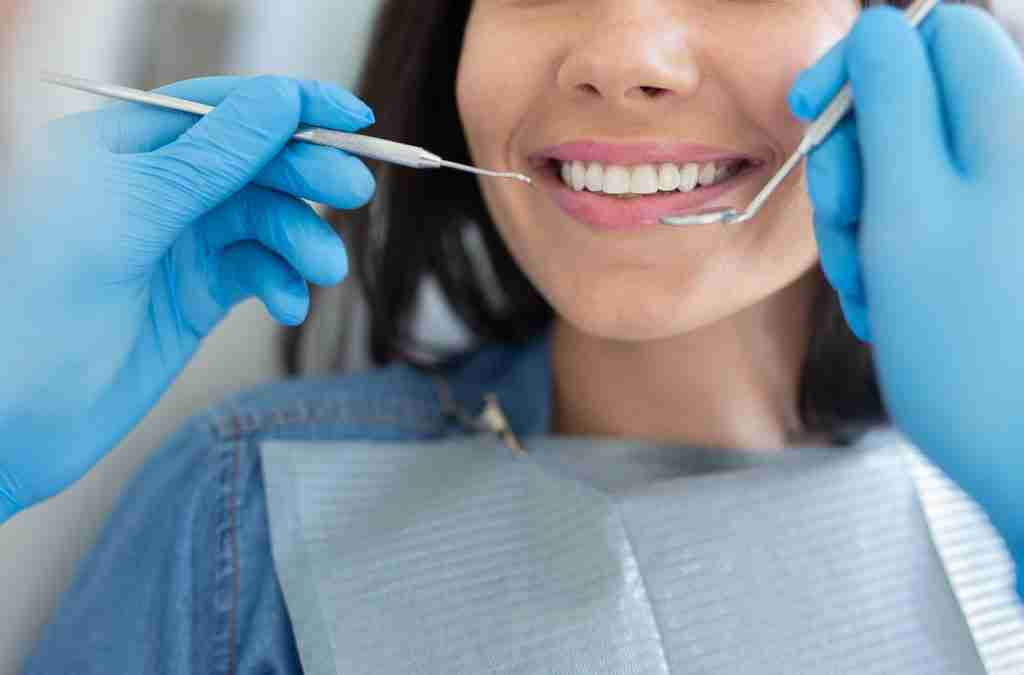
The difference between curettage and dental cleaning lies in the depth and purpose of the treatment. The dental cleaning removes plaque and tartar from the surface of the teeth and gums, while dental curettage goes deeper, cleaning beneath the gum line to treat periodontal disease and restore gum health.
What is a dental cleaning?
A professional dental cleaning or prophylaxis is a preventive procedure aimed at maintaining the health of the teeth and gums.
During the session, the dentist or hygienist removes bacterial plaque and tartar accumulated on the visible surfaces of the teeth and around the gum line.
The process includes:
- Superficial scaling with ultrasound to remove tartar.
- Dental polishing with a special paste that leaves the teeth smooth and shiny.
- In some cases, fluoride application to strengthen enamel and reduce sensitivity.
It lasts between 30 and 45 minutes, does not require anesthesia, and is recommended every 6 months (or every 3 if there is a tendency to accumulate tartar).
Benefits of dental cleaning
A regular dental cleaning offers multiple aesthetic and health benefits:
- Prevents cavities and gingivitis: removes plaque before it turns into tartar.
- Prevents bad breath: reduces bacteria that cause halitosis.
- Improves dental aesthetics: removes surface stains caused by coffee, tea, or tobacco.
- Protects the gums: prevents inflammation and bleeding while brushing.
- Reduces the risk of systemic diseases: a healthy mouth is linked to a lower risk of heart disease or diabetes.
- Strengthens hygiene habits: allows the dentist to identify areas that need better brushing.
Dental cleaning maintains oral health and prevents the appearance of more serious problems.
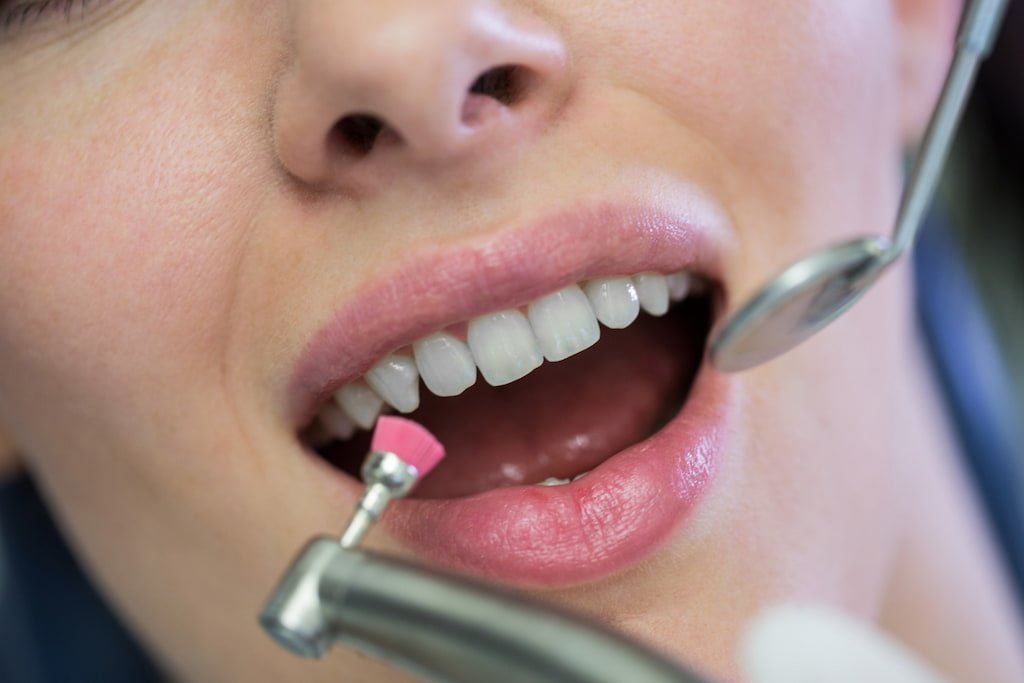
What is dental curettage?
Dental curettage (also called scaling and root planing) is a deeper and more specialized dental procedure designed to eliminate bacterial infection beneath the gums.
It is used when the patient suffers from periodontitis, a disease that affects the supporting tissues of the tooth.
The dentist performs the curettage with instruments called curettes, which scrape and clean the tooth root, removing subgingival tartar and smoothing the surface to prevent bacteria from reappearing.
This treatment is performed with local anesthesia and may require several sessions, depending on the degree of periodontal involvement.
Once completed, the gums can reattach to the tooth, reducing periodontal pockets and slowing bone loss.
Benefits of dental curettage
Dental curettage provides profound benefits for both oral health and overall well-being:
- Eliminates periodontal infection: cleans bacteria that cause periodontitis.
- Reduces bleeding and inflammation: gums regain their natural color and firmness.
- Prevents tooth loss: by stopping the destruction of bone and supporting tissue.
- Improves breath: by removing bacteria accumulated under the gums.
- Restores gum attachment: promotes gingival tissue regeneration.
- Prevents systemic complications: reduces the bacterial load that can affect the heart or other organs.
- Increases dental longevity: by stabilizing bone structure and roots.
With curettage, the patient regains a healthy periodontal foundation, essential for maintaining teeth in the long term.
Main differences between curettage and dental cleaning
| Aspect | Dental cleaning | Dental curettage |
|---|---|---|
| Depth | Superficial (gum and enamel) | Subgingival (tooth root) |
| Purpose | Prevention and maintenance | Treatment of periodontitis |
| Anesthesia | Not necessary | Yes, local anesthesia |
| Duration | 30–45 minutes | 1–2 hours or several sessions |
| Frequency | Every 6–12 months | According to periodontal diagnosis |
| Key benefits | Prevents, cleans, beautifies | Heals, regenerates, protects |
The difference between curettage and dental cleaning is that cleaning maintains oral health; curettage restores it when damage already exists.
When is each treatment recommended?
Dental cleaning is recommended for people with healthy gums or mild gingivitis, as it helps maintain an aesthetic smile and prevent disease. It is also often performed before whitening or cosmetic treatments to optimize results.
On the other hand, dental curettage is indicated when there are inflamed, bleeding, or receding gums, as well as periodontal pockets detected by the dentist, persistent bad breath, tooth mobility, or visible bone loss. This treatment helps eliminate infection beneath the gums and restore periodontal health.
Does dental curettage hurt?
During the procedure, no pain is felt, as local anesthesia is applied to avoid any discomfort.
After the treatment, slight sensitivity or minor bleeding may occur, which disappears within a day or two. With good hygiene and by following the dentist’s instructions, recovery is quick and complication-free.
Can I replace a cleaning with a curettage?
No. They are different and complementary treatments.
Dental cleaning has a preventive function, while curettage is used to treat periodontal disease. Cleaning maintains oral health; curettage restores it when gum damage already exists.
Conclusion
In summary, both dental cleaning and curettage are essential treatments to maintain healthy gums and a lasting smile. The difference between curettage and dental cleaning lies in that cleaning prevents plaque and tartar buildup, while curettage acts more deeply to treat periodontal disease and prevent tooth loss.
If you notice bleeding, inflammation, or gum sensitivity, it is important to visit a specialized clinic. At Crooke Dental Clinic, you will find a team of professionals with extensive experience in periodontics and oral health, who will help determine the most suitable treatment for your case.