

If you have old dental fillings, it’s normal to wonder whether you should replace them. The good news is that it’s not always necessary—many fillings last for years without causing problems. In this post, we explain as dentists in Málaga when it’s advisable to replace them, how long they can last, and what signs indicate they might be failing, so you can make the best decision with confidence.
Should I Replace My Old Dental Fillings?
Only if your dentist detects leakage, decay beneath the filling, a fracture, significant wear, persistent pain/sensitivity, or a clearly justified aesthetic reason.
If the filling is stable and the tooth is healthy, we don’t recommend replacing it “just in case,” according to our experience as a dental clinic in Málaga, because replacing it involves removing part of the tooth.
What Is Considered an Old Dental Filling?
We refer to an old dental filling as any restoration that has been in the mouth for several years—especially when:
- It’s more than 8–10 years old (although some last much longer).
- It’s made of amalgam (the typical grey metallic fillings).
- It’s an old composite that has darkened or no longer fits properly.
- It shows wear from time, chewing, or bruxism (teeth grinding).
Just because a filling is old doesn’t mean it’s failing. There are 20- or 30-year-old fillings that still function perfectly, and some “new” fillings that cause issues within just five years.
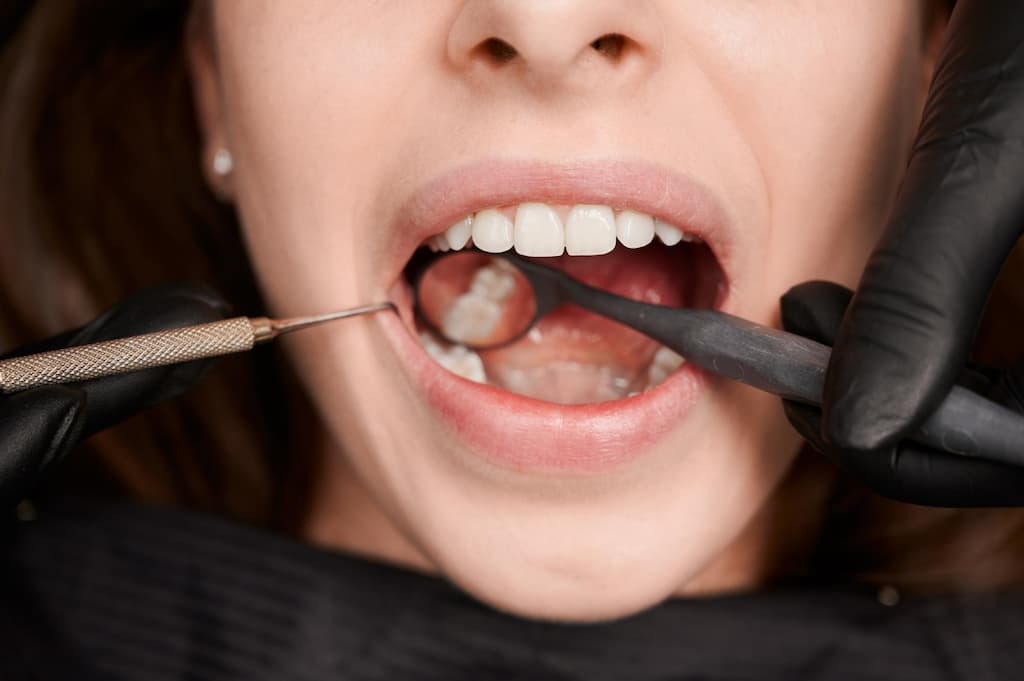
When SHOULD You Replace Old Dental Fillings?
Here are the real reasons a dentist may recommend replacing old fillings:
- When there is decay underneath the filling. This is the most common reason. Often it happens without pain, as the decay progresses hidden beneath the filling.
- When the filling is leaking. A filling might look fine on the surface but be leaking at the edges. Over time, materials and teeth expand and contract with temperature changes, damaging the seal.
- When the filling is cracked, worn, or has open edges. This can make the tooth more vulnerable and prone to fractures.
- When there is persistent pain or sensitivity. Occasional sensitivity is normal, but persistent or sudden pain in a previously problem-free tooth is a red flag.
How Long Do Dental Fillings Last?
The lifespan of a filling depends on several factors beyond the material, such as filling size, oral hygiene, bruxism, and habits:
- Composite (white) fillings: usually last 5–10 years, longer if small and well cared for.
- Amalgam (silver) fillings: usually last 10–15 years, sometimes over 20 years in good condition.
If you notice sensitivity, chewing pain, or staining around the filling, consider a check-up.
Signs That a Filling Is Failing
Even though many old dental fillings can last for years without issue, it’s important to know that the body often gives warning signs when something is wrong. These might include:
- Pain when chewing.
- Tooth sensitivity to cold, heat, or sweets that lasts longer than usual.
- Hidden decay beneath the filling that may not be visible at first.
- Fractures of the filling, part of the tooth, or the whole tooth.
- Infection or need for a root canal if decay reaches the nerve.

Which Are Better: Composite or Amalgam Fillings?
It depends—there is no universally “better” choice. The ideal option depends on tooth location, filling size, and your habits (like teeth grinding).
Composite (white) fillings are preferred for small or medium restorations where aesthetics matter. They bond to the tooth and preserve more of its structure.
Amalgam (silver) fillings are very durable and often used for molars or large fillings. However, they’re more visible and used less often today for aesthetic reasons.
What Problems Can Old Fillings Cause?
Old dental fillings can cause several issues if they’re no longer in good shape:
- Pain while chewing.
- Tooth sensitivity to temperature or sweet foods.
- Hidden decay beneath the filling, often advanced by the time it’s detected.
- Fractures of the filling or the tooth itself.
- Infection and root canal treatment may be necessary if the problem progresses.
Conclusion
Having old dental fillings doesn’t mean you have to replace them. It’s only recommended if there’s leakage, decay underneath, fracture, major wear, or persistent pain/sensitivity, or for a justified aesthetic reason.
If the filling is stable and the tooth is healthy, replacing it “just in case” is not advisable, as it involves removing healthy tooth structure. The key is to check them regularly and pay attention to warning signs like pain, sensitivity, or discoloration to prevent more serious problems.