

Dental implants are the best solution for people who are missing a dental piece. It is a procedure that, with proper oral maintenance, can last a lifetime and will restore your confidence in your smile.
At Crooke & Laguna, we have doctors Eduardo Crooke González de Aguilar and Rosa Gómez Laguna, specialists in implantology, oral surgery, and periodontics with over 20 years of experience, to lead the implant area of our center.
If you believe this treatment is what you need, it is important to keep in mind that it will be our team of implantologists who will determine if this dental procedure is the most suitable for you after performing a personalized diagnosis based on the following tests:
- Dental scanner: A three-dimensional, life-size image of the patient’s mouth. We measure lengths, volumes, and densities to accurately choose the size of the implant without damaging any anatomical and/or nerve structures. At Crooke & Laguna, we have a state-of-the-art radiology team so that patients do not have to travel to another center for these diagnostic tests.
- Intraoral and extraoral photographs: To study the case in depth, observe the prosthetic space, and measure the aesthetics we need to achieve.
- Digital model records: For the study of the prosthetic space and design of the future teeth.
Types of Dental Implant Treatments
There are different types of implant treatments depending on the characteristics of each patient. Below, we provide more details about the procedures we perform at Crooke & Laguna:
Single Implants

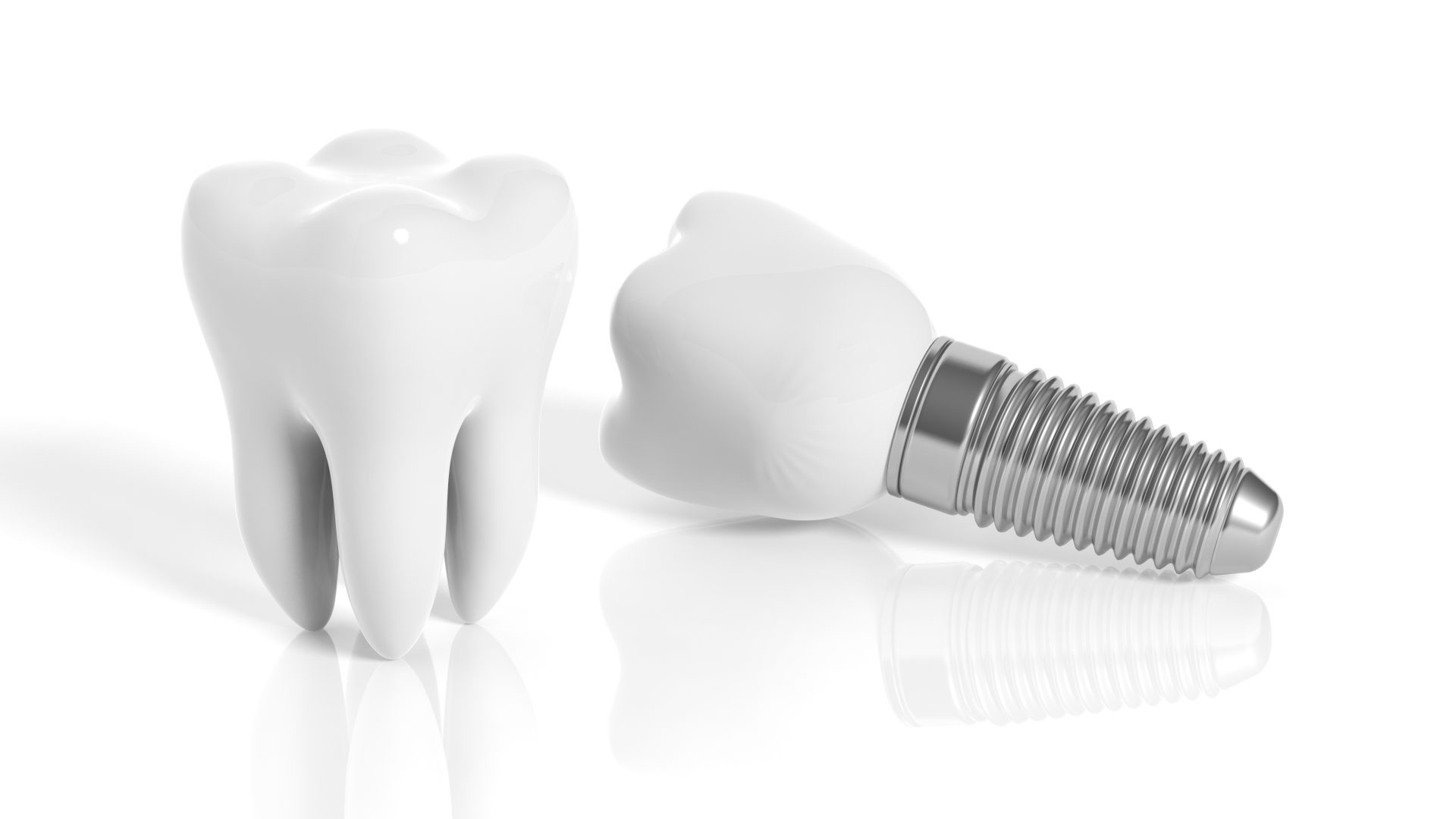
They consist of a prefabricated titanium root that is placed where teeth are missing, replacing the natural root. It is a simple and painless technique that prevents facial atrophy caused by tooth loss, improves smile aesthetics, and increases comfort and self-esteem.
Complete Rehabilitations with Conventional Implants

For patients who have lost most or all of their teeth. In these cases, multiple implants are placed in the jaw to act as artificial roots to support dental prostheses. The final number will depend on what is needed to support a dental prosthesis that replaces all the patient’s lost teeth.
Complete Rehabilitations with Zygomatic Implants

It is a procedure indicated for patients with severe bone loss in the upper jaw. In these cases, a type of longer implant than usual is used, which will be anchored in the zygomatic bone, meaning higher than conventional implants.
Customized Mesh

It is an alternative to zygomatic implants when they are not recommended for specific reasons, such as sinusitis. Also called a subperiosteal implant, the mesh is unique and fully adapted to the surface of the jaw, ensuring a good fixation of the 5 mm micro-fixations.
Who can opt for a dental implant treatment?
Most healthy adults are candidates for receiving dental implants, although the treatment should always be evaluated by a professional through a personalized diagnosis. For an implant to be successful, the patient must have good general oral health, healthy gums, and a sufficient amount of bone to support the implant.
In cases of severe bone resorption, advanced solutions such as zygomatic implants or customized meshes are available. Additionally, it is important to consider habits such as smoking, systemic diseases like uncontrolled diabetes, or medical treatments that may interfere with healing, as these can influence the planning of the procedure.
What advantages do dental implants offer over other options?
Dental implants are currently the most advanced and durable option for replacing lost teeth. Unlike removable dentures or traditional bridges, implants integrate directly into the maxillary or mandibular bone, offering a solid and stable fixation that behaves very similarly to a natural tooth.
One of their main advantages is that they do not affect neighboring teeth, as they do not require shaving or support from adjacent teeth, unlike bridges. Additionally, they help maintain bone volume, as they stimulate the bone and prevent bone resorption, a common problem after tooth loss.
From a functional perspective, they allow you to chew with strength and confidence, speak clearly, and smile without fear of them moving or shifting. Aesthetically, the result is highly natural and personalized, as the crown or prosthesis is designed in harmony with the rest of the patient’s mouth. They also offer great comfort and ease of maintenance, as they are cleaned just like natural teeth, without the need for adhesives or removal for sleep.
In summary, dental implants not only restore function and aesthetics but also provide better quality of life, security, and long-term confidence.
What are the post-treatment care instructions for dental implants?
After the placement of one or more dental implants, it is essential to follow a series of care instructions to promote proper healing and ensure the success of the treatment. In the first few days, it is normal to experience mild swelling or discomfort, which can be easily controlled with medication prescribed by the specialist. During this initial period, it is recommended to follow a soft diet, avoid very hot or hard foods, and avoid intense physical exertion.
Oral hygiene is key in the recovery process. The patient should brush carefully with a soft-bristled toothbrush and use antiseptic mouthwashes as instructed by the professional. In some cases, the use of oral irrigators or interproximal brushes may be recommended for deeper cleaning without damaging the treated area.
Another crucial aspect is avoiding tobacco consumption, as smoking impairs healing and significantly increases the risk of the implant not properly integrating into the bone. It is also important to attend scheduled follow-up visits, where the dentist will assess the implant’s progress and perform professional cleanings if necessary.
Once the osteointegration phase is completed, maintaining the implants in good condition requires the same care as any natural tooth: daily brushing, regular check-ups, and a proper diet. With these habits, implants can last many years, even a lifetime.
If you believe you need to undergo a dental implant treatment, you can schedule an appointment at our clinic. Remember that our team of professionals will provide you with a personalized diagnosis and explain which procedure is best suited for you.
Frequently Asked Questions About Dental Implants
Do dental implants hurt?
No. The procedure is performed under local anesthesia, so the patient does not feel pain during the placement. There may be mild discomfort in the following days, which can be easily controlled with medication.
How long do dental implants last?
With proper oral maintenance and regular check-ups, implants can last a lifetime.
Can an implant be placed on the same day a tooth is extracted?
Yes, in many cases, immediate placement is possible if the bone conditions allow it. This is assessed with a personalized diagnosis.
What is the recovery time after an implant?
Generally, between 3 and 7 days to return to daily routine. The osteointegration of the implant (integration with the bone) can take 2 to 6 months, depending on the case.
Can I eat normally after getting implants?
Yes, although a soft diet is recommended in the first few days. Once the process is complete, you can return to eating normally.