

Gum recession occurs when the gingival tissue surrounding the teeth wears away or pulls back, exposing part of the tooth root. The most common causes of gum recession are aggressive oral hygiene, periodontal disease, genetics, hormonal changes, and bruxism (teeth grinding).
What is gum recession?
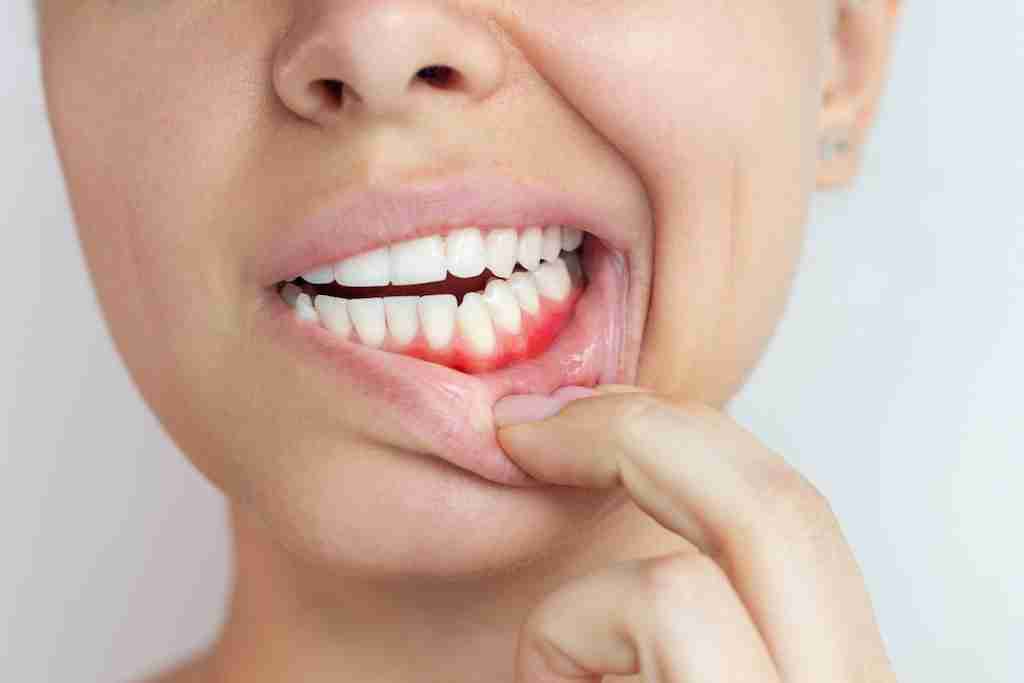
Gum recession (also known as gingival recession) is the process in which the tissue that covers and protects the base of the teeth retracts or diminishes.
This makes the tooth appear longer and exposes the root, which is more sensitive and vulnerable to bacteria and erosion.
Although many people associate this problem with aging, it is not a natural sign of getting older. It can appear in young people and adults due to various factors related to hygiene, genetics, and oral habits.
Main causes of gum recession
- Aggressive tooth brushing: Using hard-bristled brushes or brushing too forcefully can wear down enamel and push the gums back. It is one of the most common mistakes.
- Periodontal disease (gingivitis and periodontitis): Bacteria that accumulate in dental plaque inflame the gums and destroy the supporting tissue of the tooth. Over time, this leads to gum recession and tooth mobility.
- Genetic factors: Some people inherit thin or more sensitive gums. Even with good hygiene, they may be more prone to recession.
- Hormonal changes: During puberty, pregnancy, or menopause, hormonal fluctuations can make gums more reactive and vulnerable to inflammation.
- Bruxism: Grinding or clenching teeth, especially at night, puts pressure on the gums and bone, promoting their recession.
- Smoking: Tobacco reduces blood flow in the gums, limits tissue regeneration, and increases plaque buildup.
- Poor dental alignment or incorrect bite: When teeth don’t fit together properly, certain areas suffer more pressure, causing the gums to recede.

Risk factors and habits that cause gum recession
In addition to the main causes, there are habits and conditions that increase the risk or worsen gingival recession:
- Frequent use of alcohol-based mouthwashes, which dry and weaken the gum tissue.
- Piercings in the lips or tongue that constantly rub against the gums.
- Mechanical trauma (blows or ill-fitting dentures).
- Poor oral hygiene, which allows plaque and tartar buildup.
- Stress, as it increases bruxism and affects the mouth’s immune health.
- Vitamin C deficiency and other nutrients essential for tissue regeneration.
Most common symptoms of gum recession
Detecting gum recession early can prevent more severe damage. The most common symptoms include:
- Teeth that appear longer or with visible roots.
- Sensitivity to cold, heat, or acidic foods.
- Bleeding or inflammation while brushing.
- Changes in the gumline shape.
- Persistent bad breath (halitosis).
- Visible gaps between teeth and gums.
If you notice any of these signs, schedule a dental appointment. Early diagnosis prevents the need for more invasive procedures.
Main treatments for gum recession
- Deep cleaning (scaling and root planing): Removes bacteria and smooths the tooth root so the gum can reattach. Ideal for mild or inflamed cases.
- Gum graft: Tissue from the palate or biocompatible material is used to cover the exposed root. It is the most effective method for moderate or severe recession.
- Coronally advanced flap: The existing gum tissue is moved upward to cover the root. It provides natural results and good recovery.
- Regenerative therapies (laser or PRP): Laser and platelet-rich plasma stimulate tissue regeneration and reduce inflammation.
- Habit adjustments: Maintain good gum health by brushing gently with a soft-bristled toothbrush, avoiding tobacco and stress, and scheduling regular dental check-ups.
When should you see a dentist?
You should visit your dentist as soon as you notice any change in the appearance or sensitivity of your gums. The dentist will determine the cause and apply the appropriate treatment before tissue loss becomes irreversible.
Delaying the consultation can lead to tooth mobility, bone loss, or the need for grafts. A preventive visit is always simpler (and more cost-effective) than corrective surgery.
Conclusion
In conclusion, treatments for gum recession are essential to stop the progression of damage, regenerate tissue, and maintain healthy gums. At Clínica Dental Crooke & Laguna, you will find periodontics specialists who offer personalized and minimally invasive solutions to restore the health and aesthetics of your smile.